Exploring Brooklyn-Inspired Architecture: Styles, Landmarks, and Local Craft
A Vogue-worthy survey of Brooklyn’s brick, iron, and evolving skylines, weaving history, neighborhoods, and the hands that shape them.
Brooklyn’s architectural tapestry is a living, breathing magazine spread: a chronicle of tectonic shifts, immigrant narratives, and design ambitions that turned brownstones into icons and warehouses into cultural hubs. From the Italianate lines of early row houses to the ironwork theatrics of cast-iron facades, the borough’s built environment reads like a curated collection—always updated, always nuanced, always in dialogue with its past and its future. This piece expands on the themes of Brooklyn architecture, landmark preservation, neighborhood identity, and the craft that keeps these spaces relevant in a modern cityscape. It also highlights three remarkable individuals whose work and influence span disparate eras, proving that architecture is as much about people as it is about buildings.
A Ballet of Styles: Core Architectural Movements Across Brooklyn
Brooklyn’s architectural language is a conversation between endurance and experimentation. It is the city’s answer to the question: how to preserve memory without surrendering to nostalgia, how to adapt industrial DNA into livable beauty, and how to layer new forms onto a city that wears its history with pride.
Italianate Row Houses: Ornament as Identity
Across several Brooklyn streets, the Italianate row house style furnishes a romantic silhouette—tall, narrow facades with decorative bracketing, arched windows, and corniced roofs that crown the skyline like a couture accessory. These homes are more than structures; they are social artifacts, telling stories of the middle-class aspiration in late 19th-century Brooklyn. The attention to detail—overfired brickwork, decorative lintels, and paired columns—reads as a fashion-forward approach to urban living: elegance on a human scale.
Romanesque Revival: Mass and Texture in Stone
Romanesque Revival motifs emerge in brick and stone clusters, with rounded arches, robust massing, and a sense of permanence. In certain districts, churches and civic buildings articulate a gravity and solemnity that anchor neighborhoods amid rapid growth. This style contributes to a layered urban rhythm—stone that shifts with light, creating a gallery of textures that invites close, almost couture-level scrutiny.
Cast-Iron Facades: Industrial Drama Turned Ornament
Cast-iron facades punctuate the streets with a dramatic, almost metallic sheen. The late 19th-century cast-iron era in Brooklyn mirrors a moment when industry and aesthetics fused in perfect balance. Facades shimmer with pressed patterns, window transoms, and storefronts that once housed shops and markets. Today, these details are less about function and more about narrative—reminders of a city that built fast, with flair, and kept a keen eye on visual effect.
Industrial to Adaptive Reuse: The Poetry of Transformation
As Brooklyn’s economy shifted from manufacturing to culture and technology, industrial warehouses and factories transformed into lofts, galleries, and creative offices. The transformation is not merely architectural; it is cultural. The bones of brick and steel provide the stage, while new interventions—glass envelopes, mezzanines, and rooftop terraces—offer contemporary expressions of light, air, and community space. This adaptive reuse embodies Brooklyn’s resilience: reverence for history paired with a fearless eye toward the future.
Modernist and Post-Modern Inflections: New York’s Brooklyn Identity
Beyond the historic lexicon, Brooklyn has embraced modernism and its successors, weaving streamlined forms with human-scale comforts. Architects and developers have introduced designs that respond to climate realities, urban density, and the desire for transparent, inviting spaces. The result is a Brooklyn that speaks in a richer vector: from riverfront pavilions to transit-oriented cores, a city that believes architecture can be both protective and provocatively expressive.
Notable Landmarks: Bricks, Iron, and Timeless Moments
Landmarks in Brooklyn are not just buildings; they are cultural signposts within a living metropolis. They anchor memory and function as catalysts for today’s urban vitality. The following curated picks offer a flavor of the borough’s built wonders and the craft that safeguards them for future generations.
Brooklyn Bridge Approach and DUMBO’s Iron-and-Brick Dialogue
The vantage points around the Brooklyn Bridge and the DUMBO riverside deliver a masterclass in steel, stone, and water. The approach borrows from the industrial era, yet it evolves with the pedestrian and cyclist’s cadence, offering a narrative in which infrastructure and landscape design respond to contemporary urban mobility. The interplay of brick façades and ironwork serves as a reminder that the bridge’s grand arc was but the overture to a longer, ongoing architectural duet in Brooklyn.
Brooklyn Heights Promenade: Classical Restraint and Civic Poise
Overlooking the East River, Brooklyn Heights presents elegant terraces and a cohesive streetscape. The promenade showcases a disciplined approach to architectural restraint where civic pride, early skyline study, and residential dignity converge. The preservation ethos here demonstrates how thoughtful zoning and careful restoration can yield a living neighborhood that remains relevant in a city of constant change.
Greenpoint and Williamsburg: Industrial Rebirth and Waterfront Grace
Greenpoint and Williamsburg reveal a modern ballet of repurposed factories, warehouse cladding, and new-builds that honor the texture of their industrial past while delivering contemporary soul. The architecture here thrives on bold contrasts—historic brick against glass, rust against polish, and the energy of a community that values both craft and culture as engines of urban renewal.
Three Key Individuals Across Time
John A. Roebling (1806–1869)
A pioneer of steel cable suspension, Roebling’s vision for the Brooklyn Bridge set a blueprint for monumental civil engineering. His work fused structural discipline with an articulation of urban aspiration, demonstrating that infrastructure could be a national icon while also functionally serving a city’s daily life.
Era: 19th Century
Elizabeth (Elsa) W. McCausland (1885–1963)
An advocate for cast-iron storefronts and urban restoration, McCausland championed the preservation of Brooklyn’s commercial cores. Her work embodied a belief in heritage as an economic and cultural asset, guiding later generations to protect the architectural texture that gives neighborhoods their distinct character.
Era: Early 20th Century
Rem Koolhaas (b. 1944) and the Brooklyn Loft Aesthetic
Though not a Brooklyn-native, Koolhaas’s influence on adaptive reuse and loft culture resonates in contemporary Brooklyn. His ideas about programmatic flexibility and urban density inform the borough’s modernist edges and the way new structures dialogue with historic fabric, best exemplified by waterfront conversions and mixed-use towers that respect the neighborhood’s industrial heartbeat while embracing new forms of living.
Era: Contemporary
A Glossary for Brooklyn Architecture
To navigate this architectural odyssey with ease, a concise glossary helps frame terms as you stroll Brooklyn’s streets, from cornice to cantilever and from rafter to rivet.
- Cornice: The decorative, projecting element at the top of a building’s façade that often crowns the cornice line with craftsmanship and rhythm.
- Cast-Iron Facade: A pressed metal exterior that allows intricate ornamentation and rapid construction in the 19th century.
- Adaptive Reuse: The practice of repurposing old buildings for new uses, preserving historic character while meeting modern needs.
- Ironwork: Wrought-iron details shaping railings, balconies, and storefronts that add texture and drama to façades.
- Facade Cladding: The outer layer applied to a building’s surface to achieve a specific texture or color without altering the structural core.
Curation of Brooklyn Craft: Three Landmark Projects and an Ode to Local Makers
The narrative of Brooklyn architecture is inseparable from the hands that build, restore, and reinterpret. Here, three exemplary projects — each representative of a distinct era — showcase the synergy of craftsmanship, materials, and urban intent. The reflections pay homage to a community that treats architecture as a living, collaborative practice.
1) The Riverside Cast-Iron Revival (Late 1800s)
A row of storefronts along a working waterfront showcases cast-iron detailing harnessed for both aesthetic grandeur and retail clarity. The revival approach preserves the metallic shimmer while updating storefront interiors to accommodate modern commerce, a testament to how historic detailing can coexist with contemporary function.
2) The Industrial Loft Transformation (Mid-20th Century)
Old factories, once the heartbeat of production, opened their volumes to living and working as the city pivoted toward post-industrial life. Exposed brick, timber beams, and large factory windows became a distinctive Brooklyn signature—an architecture of openness, daylight, and a cinematic air that defined the loft era.
3) The Waterfront Residential Renaissance (21st Century)
New residential blocks along the water reimagine the riverfront with glassy façades, sustainable design, and waterfront promenades. These projects balance views, daylight, and energy efficiency, reflecting a city that values climate-aware design without sacrificing the romance of a Brooklyn horizon.
Note: This article embraces an editorial voice inspired by fashion and culture journalism. It highlights the interplay between Brooklyn’s architectural heritage and contemporary craft, and it celebrates individuals across eras who have left an architectural imprint on the borough.
A Vogue-Influenced, Brooklyn-Inspired Shopping Moment
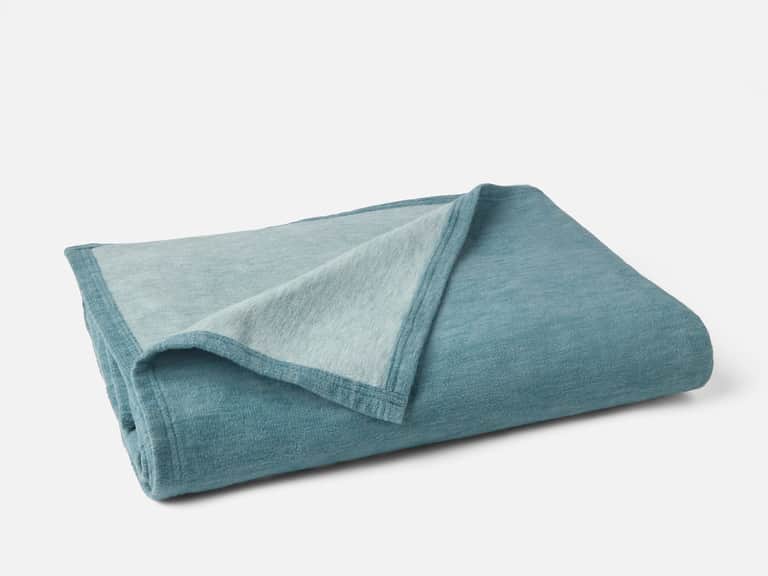
To ground this architectural reverie in everyday warmth, contemplate the tactile luxury of a well-chosen textile. The Full Circle Recycled Cotton Blanket, crafted in Germany with recycled and organic cotton, offers a modern, eco-conscious counterpoint to Brooklyn’s enduring brick and iron. Its soft brushed finish and color variations evoke a mood of refined, sustainable comfort that fits a Brooklyn apartment’s aesthetic—cozy, thoughtful, and environmentally mindful.
Full Circle Recycled Cotton Blanket
Crafted from 52% recycled Coyuchi cotton and 48% organic cotton, woven in Germany. Brushed finish adds softness and color variation lends a living texture to your space. Packaged in a recycled poly bag, machine washable in cold water.
Brand: Coyuchi • Size: Various • Price: $248.00
Cetara Blanket
100% cotton with an intricate weave inspired by Amalfi nets; piece-dyed finish for rich color and a clean, durable edge. Finished with 1-inch turned hems and mitered corners from Portugal.
Brand: Sferra • Price: $235.00
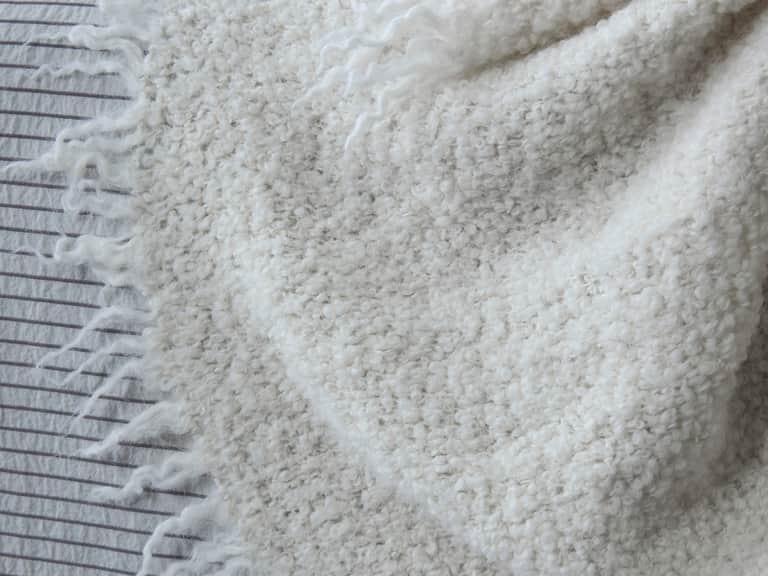
Tuis Blanket
Bouclé alpaca-wool blanket with frayed edges, 70% alpaca / 30% wool, generous weave and soft, tactile drape. Large enough to cover a bed, marriage of warmth and texture.
Brand: Society Limonta • Price: $1,090.00
Des Blanket
A 100% blended wool blanket with frayed hems; garment-dyed for a natural, understated finish. Lightweight and versatile, ideal for layering across seasons.
Brand: Des • Price: Check availability
Cetara Blanket
10a crisp, breathable cotton weave finished with a 1-inch hem; a timeless Amalfi-inspired piece that nods to Italian textile heritage.
Brand: Sferra • Price: $235.00
Angeles Organic Matelasse Blanket
Breathable 100% organic cotton, matelassé weave with braided wave pattern; GOTS-certified, versatile as a coverlet or layered atop a duvet.
Brand: Angeles • Price: Check availability
Editor’s pick: Brooklyn craft meets global textiles
Final Reflections: Brooklyn as a Living Collection
Brooklyn’s architectural story is a magazine in motion: history styled with contemporary practice, memory married to modern life, and the past spoken through the present’s clever, sustainable interventions. The Brooklyn ethos is a couture blend of craft and care. It invites us to move through streets with an open eye for lintel and legibility, to savor the textures that lilac through a cast-iron façade, and to imagine future chapters that honor the borough’s architectural memory while writing new ones.